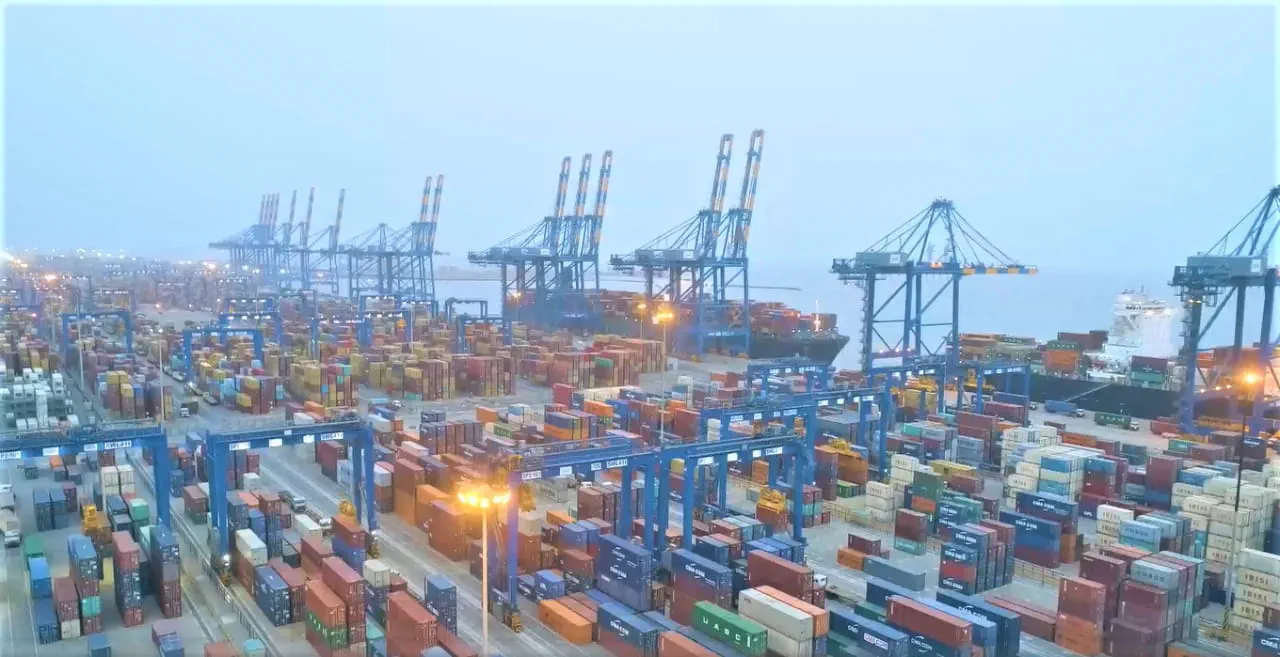
The landscape of Indian trade just hit a massive milestone. On April 10, 2026, the Mundra Port automobile hub officially became India’s largest vehicle export gateway, shipping a staggering 6,008 cars in a single vessel. This isn’t just a win for Adani Ports; it’s a clear signal that India is no longer just a consumer market but a global manufacturing powerhouse. If you are looking at the business side of logistics, this record-breaking feat highlights how infrastructure is the secret sauce behind the “Make in India” success story.
The Mundra Port automobile hub has successfully overtaken its competitors by leveraging state-of-the-art Roll-on/Roll-off (Ro-Ro) terminals. For a long time, Chennai was the undisputed “Detroit of India,” but the strategic location of Gujarat and its rapid digitisation have shifted the momentum. Investors are closely watching how car exports India are climbing, especially with the surge in Electric Vehicle (EV) production.
What makes the Mundra Port automobile hub unique is its integration with the Western Dedicated Freight Corridor. This allows manufacturers from Haryana and Rajasthan to transport vehicles to the coast in record time. As we navigate 2026, the global supply chain is looking for reliable alternatives to traditional hubs, and Mundra is filling that gap perfectly. For small and medium-sized enterprises (SMEs) involved in the auto-component sector, this expansion means more opportunities to plug into international markets.
Staying updated on the Mundra Port automobile hub is essential for anyone in the logistics or automotive sector. With further expansions planned for the latter half of 2026, India is well on its way to becoming the third-largest exporter of passenger vehicles globally.